
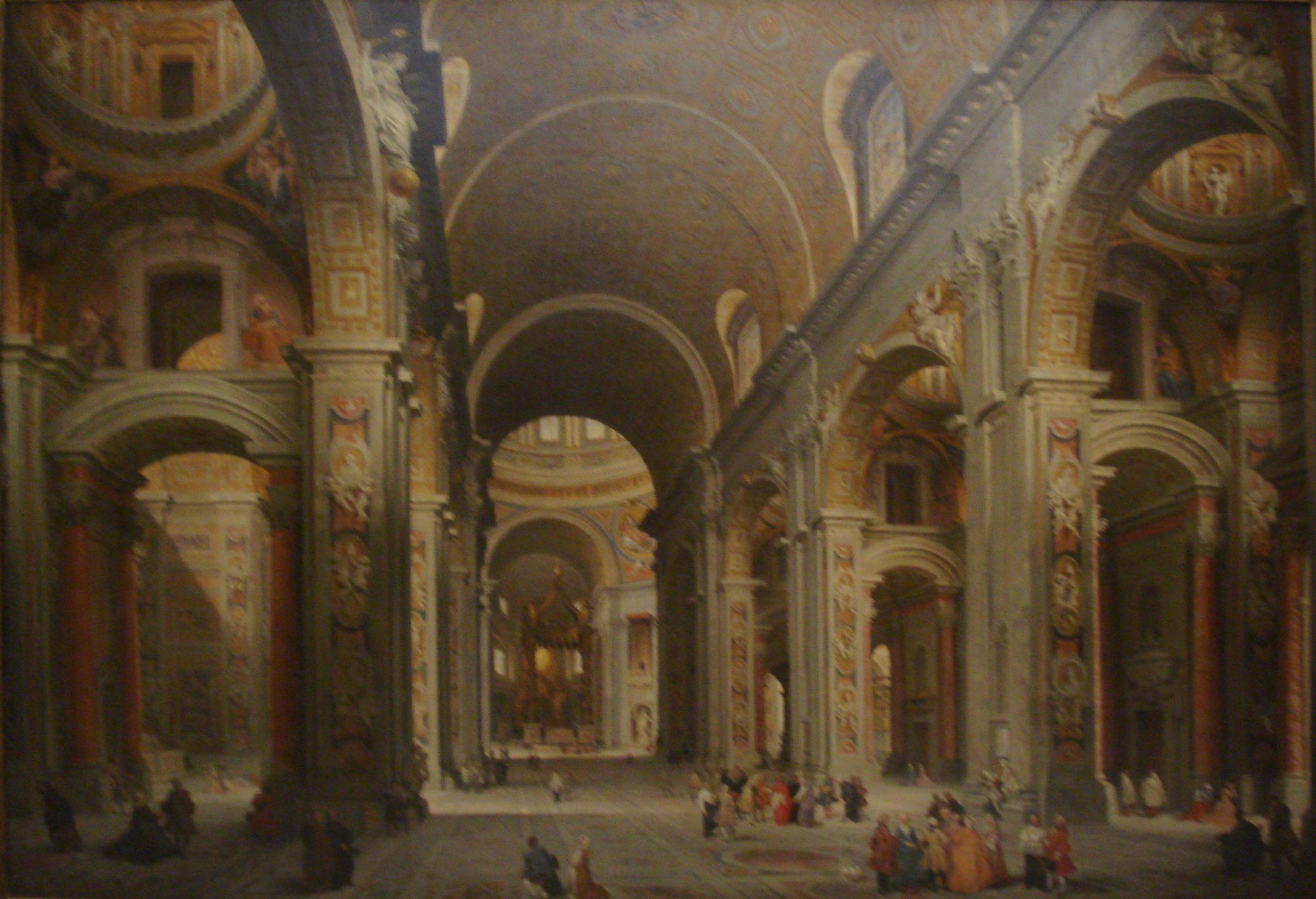
St Peter’s Basilica is the largest church in the world and the spiritual centre of Catholicism, built over the tomb of the apostle Peter. Walking in is free, and that surprises a lot of first-time visitors. What costs you is the wait: the security screening that everyone passes through in St Peter’s Square can stretch past an hour when the cruise crowds and tour groups arrive together.
This guide covers how to get in without losing half your morning to the queue, what to look for once you are inside, whether the dome climb is worth it, and the dress code that turns people away at the door every day. Ready to plan the visit around a Vatican tour? See our guided Vatican tours or compare Vatican tickets.
Here is the honest version: because entry is free, there is no official skip-the-line ticket that buys you past the door. The line you are trying to beat is the security check, and there are three ways to do it.
Go at the right hour. Be in the square by 7:00 AM when the doors open, or come back after 4:30 PM once the coach groups have moved on. The middle of the day is the worst.
Join a guided tour with organised entry. Most Vatican tours bring you into the basilica as a group with a set slot, so you spend your time looking at Bernini instead of standing in the sun. Our tours pair the basilica with the Vatican Museums and the Sistine Chapel, which is the combination most people actually want.
Book the dome separately. The cupola has its own entrance, hours and small fee, and you can buy it on the spot once you are inside.
Book a VIP early-entrance Vatican tour to start before the crowds, or browse all Vatican tickets and tours.
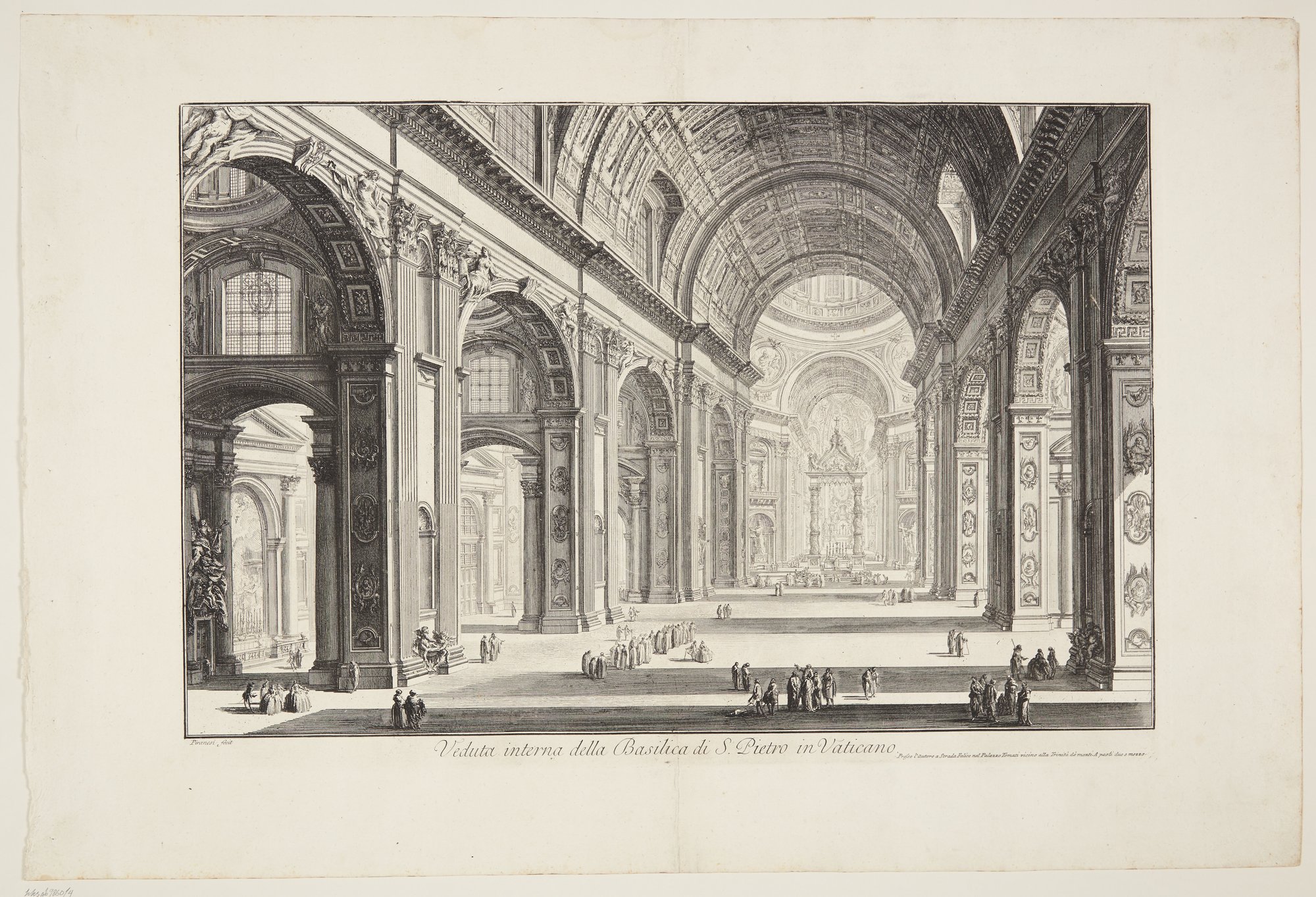
Michelangelo’s Pieta. Just inside the entrance on the right, behind protective glass since a 1972 attack. He carved it at 24, and it is the only work he ever signed, so look for his name across the Virgin’s sash.
Bernini’s Baldachin. The twisting bronze canopy over the papal altar, at the centre of the view above, stands about 29 metres tall, roughly the height of an eight-storey building, and marks the spot directly above St Peter’s tomb.
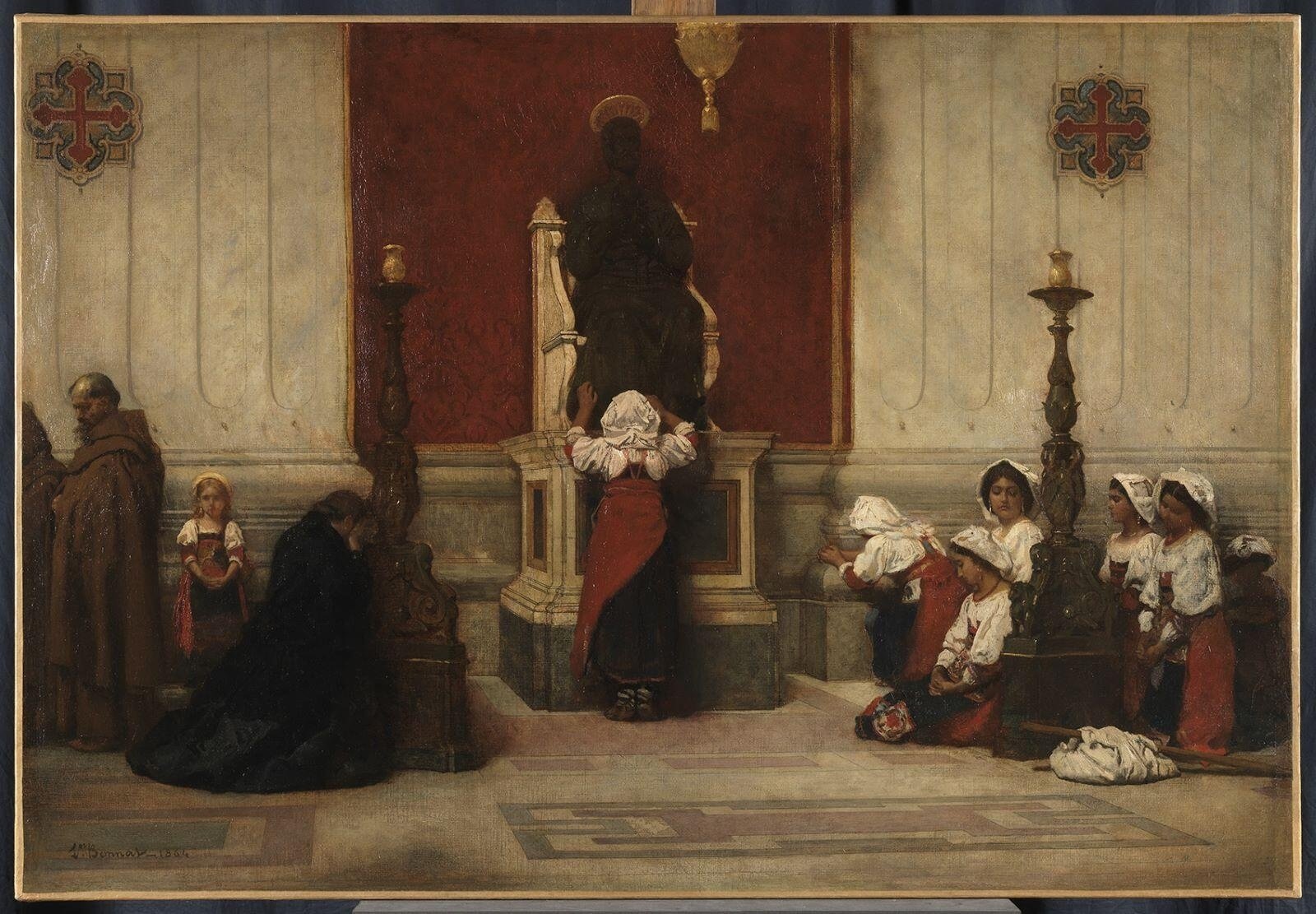
The bronze statue of St Peter. Pilgrims have touched or kissed its right foot for centuries, and the toes are now worn almost smooth, the moment the 19th-century painting above captures.
The dome from below. Stand under the crossing and look straight up into Michelangelo’s cupola; the gold letters ringing its base are nearly two metres tall, though they look modest from the floor.
The floor markings in the nave. Brass lines set into the marble show where the world’s other great cathedrals would end if placed inside St Peter’s. It is the clearest way to feel just how big this building is.
The papal tombs. More than 90 popes are buried here. John Paul II now rests in the Chapel of St Sebastian on the main floor, one of the most visited spots in the church, while dozens more lie in the grottoes below.
The Holy Door. The bronze door at the far right of the facade is sealed shut with brickwork and opened only in Jubilee years, when pilgrims pass through it. The rest of the time you will see it closed.
The Treasury Museum. Off the left aisle, a small museum of reliquaries, vestments and papal gifts charges a modest separate fee, worth it if you like the fine detail most visitors hurry past.
The doors open at 7:00 AM, and the first hour is the quietest of the day: soft light through the windows, room to breathe, and almost no queue. If you are not a morning person, the late afternoon from about 4:30 PM works too, once the coach tours have left for the day.
Two dates on the weekly calendar change the picture. On Wednesday mornings a papal audience is often held in the square, which draws big crowds and can close off part of the approach. On Sundays around midday the Pope may lead the Angelus from the window overlooking the square. Both are worth seeing in their own right, but neither is the moment for a relaxed walk through the basilica.
Season matters as much as time of day. November to February is markedly quieter than the summer, and a winter weekday morning can feel like you have the largest church in the world half to yourself.
People often assume the basilica and the Vatican Museums are the same visit. They are not. The Museums and the Sistine Chapel sit on the far side of Vatican City, need a paid, timed ticket, and have their own entrance a fifteen-minute walk away. The basilica is free and separate.
The efficient way to see both in a day is to start with a Museums-and-Sistine tour in the morning, then finish at the basilica. Some guided routes use the connecting passage from the Sistine Chapel that leads straight into St Peter’s, skipping the outdoor security queue entirely, the single biggest time-saver on offer.
See how the two fit together on our Vatican tours, or read up on the Sistine Chapel before you go.
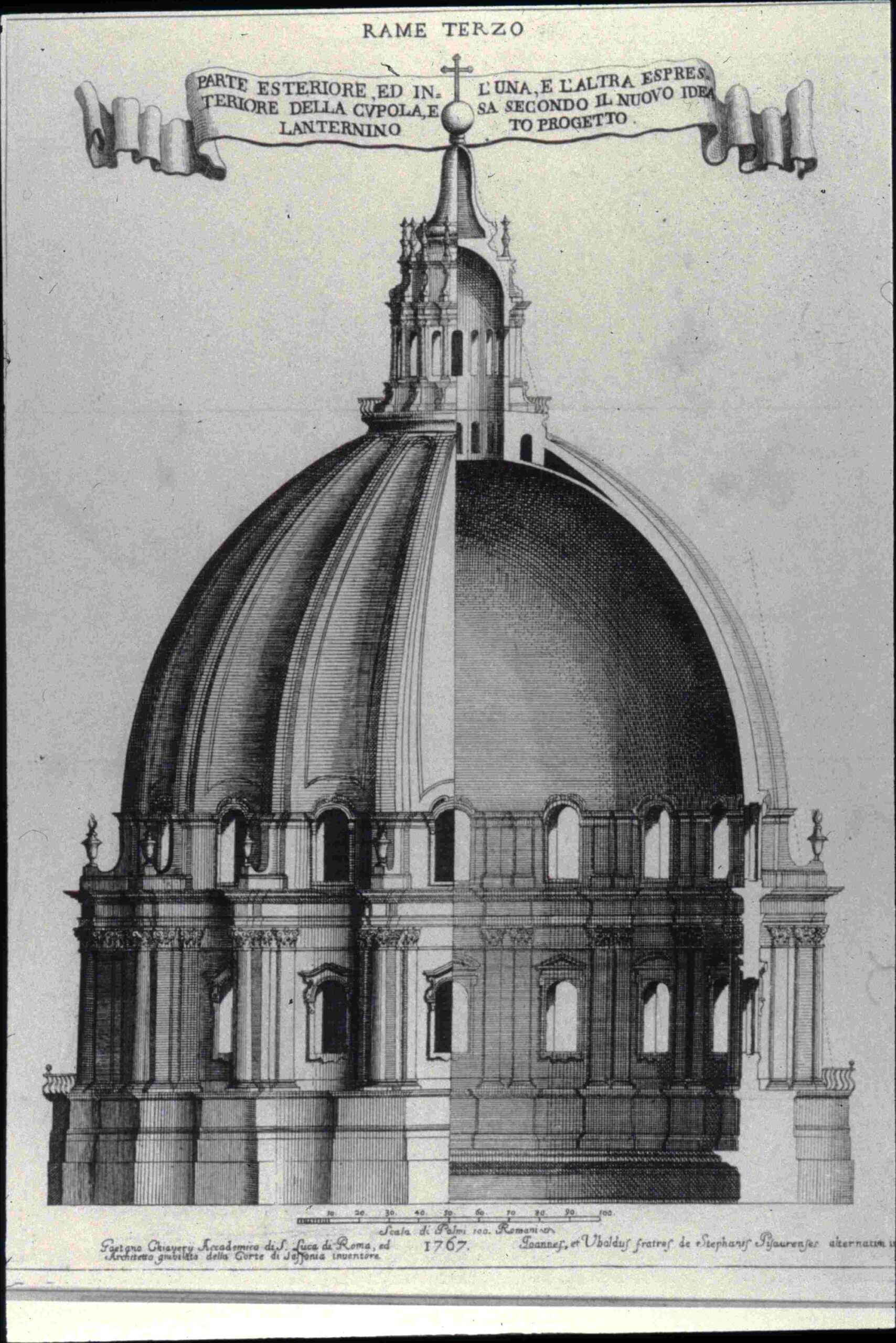
The climb to the top of Michelangelo’s dome is the best view in Rome, and it is more manageable than the numbers suggest. There are 551 steps from ground level; take the lift and it drops you at the roof terrace, leaving 320 to go on foot.
The final stretch curves with the shell of the dome, so the walls lean in and the staircase narrows, not for anyone uneasy in tight spaces. You come out on the lantern with the whole of St Peter’s Square, the colonnade and the rooftops of Rome laid out below.
Tickets are sold inside, from EUR 10 for the stairs or EUR 15 to take the lift as far as it goes. The dome is open 7:00 AM to 6:00 PM in summer and 7:30 AM to 5:00 PM in winter, and the same dress code applies up here.
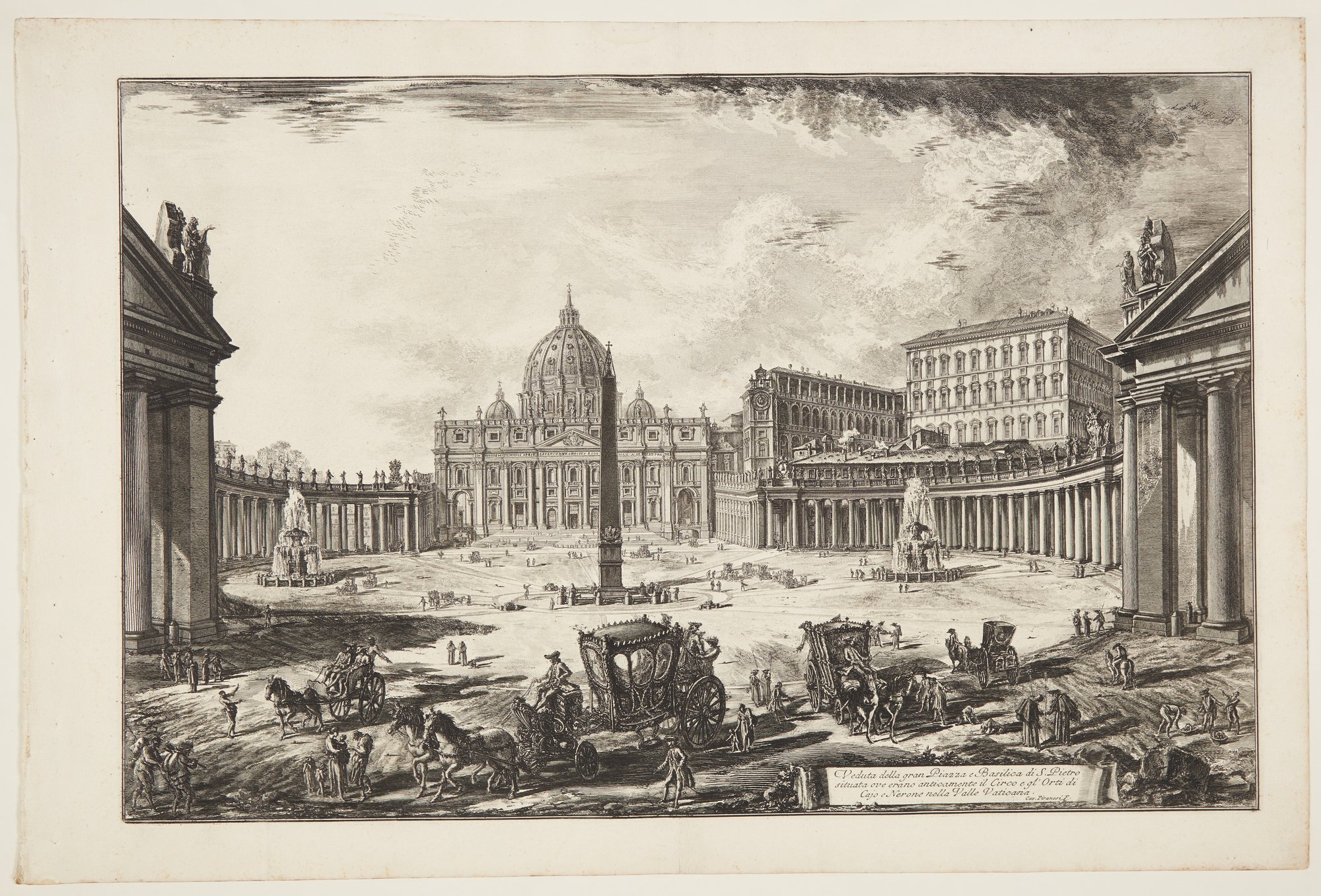
The first basilica on this site was raised by the emperor Constantine in the 4th century, over what was believed to be the grave of St Peter. Twelve hundred years later it was falling apart, and in 1506 Pope Julius II took the radical decision to tear it down and start again.
The rebuild ran for more than a century and drew in the greatest names of the age. Bramante drew the first plan, Michelangelo designed the dome that still defines the Rome skyline, Carlo Maderno extended the nave and built the facade, and Gian Lorenzo Bernini gave the interior its Baldachin and wrapped the square outside in his great curving colonnade. The new basilica was consecrated in 1626.
Dress code. Shoulders must be covered and hemlines must reach the knee: men in long trousers, women in trousers or a skirt below the knee. There is no flexibility, and the same rule applies to the dome. A scarf over bare shoulders is enough to get you in.
Security. Everyone passes an airport-style screening at the checkpoints along the right-hand side of the colonnade. Large bags and backpacks are not allowed, so travel light.
Photography. Taking photos without flash is fine in the basilica, unlike the Sistine Chapel where it is banned. Keep in mind this is an active place of worship, and services may be under way while you visit.
The tombs below. The Vatican Grottoes beneath the floor, where many popes are buried, are free to enter. Reaching St Peter’s actual tomb means booking the Scavi (Necropolis) tour separately and well in advance through the Excavations Office, which runs small guided groups only.
Accessibility. The main floor of the basilica is level and step-free, and wheelchair users can enter without climbing the front steps by asking staff for the accessible route at the security checkpoint. The dome, by contrast, is not accessible: even with the lift there are hundreds of narrow, curving steps and no alternative to them.
Getting there. The basilica sits on the west bank of the Tiber in Vatican City. The nearest metro stop is Ottaviano to San Pietro on Line A, about a ten-minute walk away; buses 40 and 64 from Termini station drop you near the top of Via della Conciliazione, the wide avenue that leads straight to the square.
Do I need a ticket to enter St Peter’s Basilica?
No. Entry to the basilica is free and there is no admission ticket. The only queue is the security screening in St Peter’s Square.
How do I skip the line at St Peter’s Basilica?
There is no paid skip-the-line ticket for the free church itself. The fastest ways in are to arrive right at 7:00 AM opening, come after 4:30 PM, or join a guided tour that enters as an organised group.
What are St Peter’s Basilica opening hours?
The basilica is open 7:00 AM to 8:00 PM every day of the year, with last entry shortly before closing.
How much does it cost to climb the dome?
Dome tickets are sold inside, from EUR 10 for the stairs or EUR 15 if you take the lift to the roof terrace first.
How many steps are there to the top of the dome?
There are 551 steps in total from ground level. The lift skips the first section and leaves 320 steps to climb on foot.
What is the dress code for St Peter’s Basilica?
Shoulders and knees must be covered for everyone: long trousers for men, trousers or a below-the-knee skirt for women. The same rule applies to the dome, and it is strictly enforced at the entrance.
Can I see Michelangelo’s Pieta?
Yes. The Pieta stands just inside the entrance on the right, behind protective glass. It is one of the first things you see as you walk in.
Can I visit St Peter’s tomb?
The Vatican Grottoes, where popes are buried, are free to enter beneath the basilica. To reach St Peter’s actual tomb you must book the Scavi (Necropolis) tour separately and in advance through the Excavations Office.
Is photography allowed inside?
Yes, photography without flash is permitted in the basilica. This is different from the Sistine Chapel, where photography is not allowed.
When is the best time to visit St Peter’s Basilica?
Right at 7:00 AM opening or in the late afternoon after about 4:30 PM. Try to avoid Wednesday mornings, when a papal audience is often held in the square, and Sunday around midday.
How long does a visit take?
Allow 60 to 90 minutes for the basilica itself, plus around 45 minutes if you climb the dome.
Is St Peter’s Basilica part of the Vatican Museums?
No. The basilica is separate and free. The Vatican Museums and the Sistine Chapel are a separate paid ticket with their own entrance.
The smoothest way to see St Peter’s Basilica is as part of a Vatican day: pair it with the Museums and the Sistine Chapel, skip the worst of the queues, and let a guide point out what you would otherwise walk straight past.
VIP early-entrance Vatican tour: start before the doors open to the public.
All Vatican tickets and tours: compare your options.
Sistine Chapel tickets: Michelangelo’s ceiling, a few steps away.